

So, I was thinking about how most crypto wallets feel kinda clunky these days. Seriously? Managing different coins usually means juggling a dozen apps or devices. That’s a pain. But then I stumbled on this smart card concept that supports multiple currencies without the usual hassle. Wow! It’s like carrying your crypto portfolio in your wallet—literally. The idea of a hardware wallet that fits in your pocket, acting like a credit card, blew my mind.
At first glance, hardware wallets have always been about beefing up security, right? But the tradeoff is often inconvenience. You have to plug them in, set up apps, and sometimes deal with slow interfaces. Initially I thought, “Okay, that’s just the price for safety.” But then I realized there’s this new wave of smart card wallets that combine blockchain-grade security with the simplicity of a tap or swipe. Hmm… this could be a game-changer.
Here’s the thing. Multi-currency support is no small feat. It’s not just about storing Bitcoin and Ethereum side-by-side. You need seamless switching, secure key management, and real-time blockchain verification. Some wallets claim to do it, but I’ve seen the gaps—like limited coin support or clunky user experiences. On one hand, software wallets are flexible but vulnerable. On the other hand, traditional hardware wallets are secure but often single-purpose. Though actually, smart card wallets seem to bridge this gap better than I expected.
Check this out—these smart cards work offline, storing your private keys securely within a tamper-proof chip. That means your keys never leave the device, making hacks way harder. Plus, they use contactless NFC technology, so you can confirm transactions on your phone without cables or complicated setups. It’s like the best of both worlds: convenience meets hardcore security.
At this point, you might be wondering about blockchain security under the hood. Well, these smart card wallets implement advanced cryptographic protocols, including elliptic curve cryptography and hardware-based random number generators. Initially, I thought these buzzwords were just marketing fluff, but then I dug deeper. The hardware ensures your keys never get exposed—even when interacting with multiple blockchains. It’s impressive how the technology handles different consensus algorithms without compromising safety.
Honestly, managing multiple currencies on one device felt risky at first. What if one coin’s protocol update breaks the wallet? Or worse, what if cross-chain interactions introduce vulnerabilities? But the developers behind these smart card wallets seem to anticipate these issues by modularizing the firmware and allowing over-the-air updates. This way, your wallet can adapt to changes without compromising your assets. Still, I’m not 100% sure how seamless this will be in practice—early adopters might face hiccups.
Oh, and by the way, I have to mention the user interface. Usually, hardware wallets aren’t known for slick UX. But these smart card wallets come with companion apps that are surprisingly intuitive. You get visual transaction confirmations, balance overviews across currencies, and even portfolio analytics. My instinct said this could be the layer that finally makes hardware wallets accessible to everyday users, not just crypto nerds.
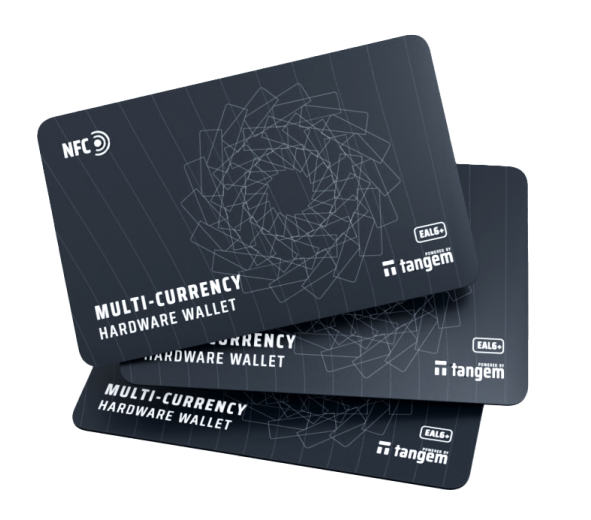
Why This Matters: From Convenience to Real Security
Okay, so check this out—having all your crypto in one smart card is like having a Swiss Army knife for digital assets. No more fumbling with multiple devices or risking exposure through hot wallets. But here’s what bugs me about some solutions: they claim multi-currency support but lock you into a limited ecosystem. With these smart cards, the support spans major blockchains and newer tokens alike, making them future-proof to some extent.
Still, the question remains: can a compact smart card wallet truly match the security levels of more bulky hardware wallets? It’s a fair concern. The smart card chips used are certified to high security standards, similar to what banks use for credit cards. But unlike a multi-kilo hardware dongle, the physical form factor is tiny, which might raise eyebrows. On reflection, though, the combination of secure element chips and proximity-based transaction approvals should mitigate most attack vectors.
For anyone serious about crypto security, especially those holding diverse portfolios, this approach feels very promising. The convenience of a card that fits in your pocket, combined with multi-currency support and blockchain-verified transactions, ticks a lot of boxes. I mean, why lug around multiple devices when one secure smart card can do the job?
If you want to see what I’m talking about, there’s a great resource explaining the tech and benefits here. I’m biased, but I think this kind of innovation could really push crypto adoption forward by solving one of the most painful problems: simple, secure asset management.
Of course, nothing’s perfect. I’m still curious about things like recovery options if you lose the card, or how these wallets handle emerging blockchain standards. But for now, this blend of smart card hardware and multi-currency support feels like a step in the right direction.
Common Questions About Multi-Currency Smart Card Wallets
How secure are smart card wallets compared to traditional hardware wallets?
Smart card wallets use secure element chips similar to those in banking cards, providing strong protection for private keys. While they’re smaller and more portable, their security protocols are designed to meet stringent standards, making them comparably safe for most users.
Can I manage all my cryptocurrencies on one smart card?
Yes, many smart card wallets support multiple blockchains and tokens simultaneously. They handle key management and transaction signing internally, allowing you to switch between assets seamlessly without compromising security.
What happens if I lose my smart card wallet?
Most smart card wallets come with secure backup and recovery processes, often involving recovery phrases or secondary devices. However, losing a physical card can be inconvenient, so it’s crucial to follow the wallet’s recovery guidelines carefully.